You spent weeks searching, polished your resume, nailed the interview, and now the call comes in. They want you. The relief is real, and the temptation is to blurt out "yes" before they can change their mind.
Slow down. The offer is not the finish line. It is the one moment in the entire hiring process where you have the most leverage you will ever have with this company, and most candidates give it away in the first thirty seconds.
We see this constantly in the green industry. Good people accept the first number on the table, never ask about the things that actually shape their day, and find out three months later that the job is not what they pictured. The fix is not complicated. You just need a plan for the moment the offer lands. Here it is.

First, Buy Yourself Some Time
You do not have to answer on the spot. A reasonable employer expects you to think it over, and asking for time signals that you take the decision seriously rather than that you are ungrateful.
Try something like this:
"Thank you, I am really excited about this. Can you send the offer over in writing so I can review the full details? I will get back to you within a day or two."
That one sentence does three things. It keeps the relationship warm, it gets the offer in writing, and it gives you breathing room to evaluate everything below with a clear head instead of a racing pulse.
What Candidates Should Really Be Trying to Learn in an Interview
Read the Whole Offer, Not Just the Wage
The hourly rate is one line on the page. In the green industry, compensation has layers, and the number on top often matters less than what surrounds it. Before you compare offers or counter on anything, get clear answers on all of it:
How overtime actually works. During peak season, overtime is not a rounding error. It can be a huge chunk of your annual pay. If the role is hourly, federal law generally requires time-and-a-half for hours worked over 40 in a week, so the question is not whether you get it but how much of it there is. Ask how many hours a typical week runs from spring through fall, and how that drops off in the slow months. Also confirm whether the position is hourly or salaried, because a salaried role may be classified as exempt, meaning those long summer weeks come without extra pay. Two hourly jobs with the same base rate can pay thousands apart once the season is in full swing.
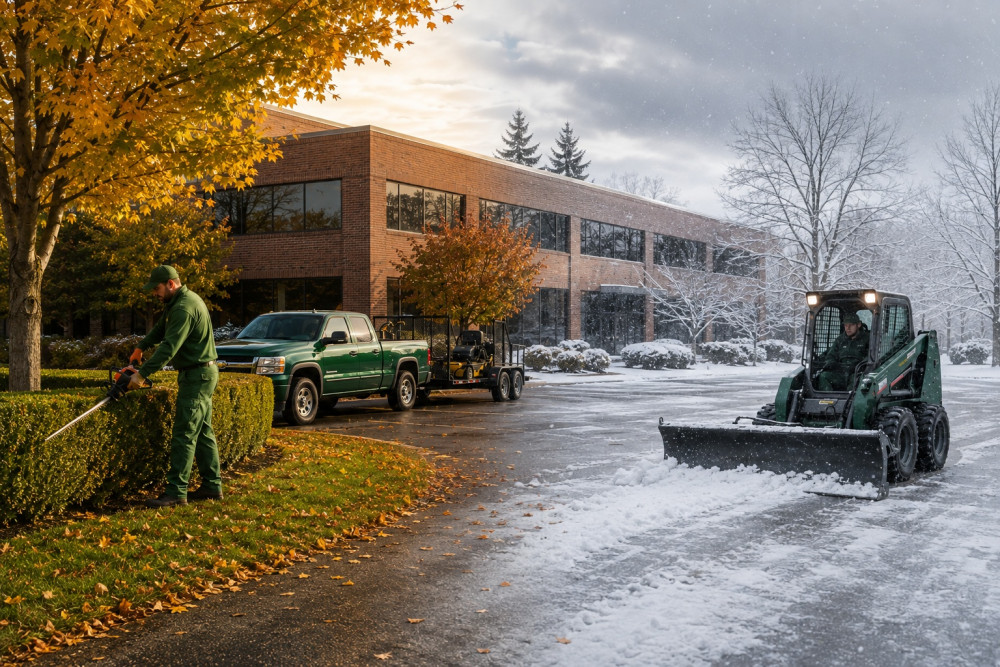
Seasonal or year-round. This is the single biggest question in our industry and the one candidates forget to ask. Will you be laid off in the winter, or is this a year-round position? If there is a winter layoff, does the company bring crews back first thing in spring, and can you collect unemployment in between? If it is year-round, what fills the winter, snow and ice, shop work, planning? Your annual income depends on the answer far more than your hourly rate does.
Benefits and time off. Health insurance, who pays what share, when it kicks in. Paid time off and how it accrues. Retirement match if there is one. A dollar an hour looks great until you price out a family health plan that the other company would have covered.
The extras that add up. Many green industry roles come with perks beyond the wage: a fuel card, a phone, a boot or clothing allowance, and tools. Ask which of these are included. A take-home vehicle is common in the industry too, but usually at the mid and senior level, think operations manager, account manager, sales, or branch manager, rather than someone just starting out on a crew. If the role you are considering does include a truck you can drive home, that is worth real money you would otherwise spend on your own vehicle and gas, so factor it in.
Certifications and licenses paid for. Will they cover your pesticide applicator license, CDL, ISA Certified Arborist exam, or irrigation certification? These credentials raise your earning power for the rest of your career, and an employer who invests in them is telling you something about how they see your future.
Bonuses and how you earn them. Production bonuses, safety bonuses, retention or end-of-season bonuses. Get specifics on what triggers them and roughly what they paid out last year, not just that they "exist."
Who you report to and where it leads. You are not just accepting a wage, you are accepting a boss and a path. Confirm who you would work under and what the next step up looks like. A slightly lower starting number under a crew leader who develops people beats a higher number under one who burns people out.
4 Factors to Value More Than the Starting Wage
Do Your Homework Before You Counter
You cannot negotiate well on a feeling. You need a number, and the number has to be grounded in your market, not in what your buddy two states over makes.
Look at what the role actually pays where you live. Wages for the same arborist or irrigation tech job vary widely between regions, and even between a fast-growing metro and the rural county next to it. Check current postings on job boards, talk to people working the same role locally, and factor in your years of experience and any licenses you hold. The goal is a realistic target and a clear walk-away number, the figure below which the job does not make sense for you.
When you know your market, you negotiate from facts. "Based on what this role pays in our area and the certifications I bring, I was hoping to be closer to X" lands very differently than "I was hoping for more."
The Green Industry Career Path: How to Move from Crew Member to Management
How to Actually Negotiate
Negotiating is not about being difficult. The best negotiations feel like two people solving a problem together, because that is exactly what a good employer wants too. A few principles:
Lead with enthusiasm, then make your ask. Remind them you want the job before you raise the number. "I am excited to join the team. I was hoping we could get the base a little closer to X, given my experience and my applicator license. Is there room to move?"
If they cannot move on wage, move the conversation. Plenty of companies have a tight wage band but flexibility elsewhere. When the hourly number is locked, pivot: "I understand if the rate is set. Could we look at the boot allowance, an earlier benefits start date, or covering my CDL?" Those wins are real money and they are often easier for the employer to say yes to.
Ask, do not demand. Frame everything as a question. "Is there any flexibility on..." keeps the door open. Ultimatums get doors shut, and our industry is small enough that word travels.
Get the final answer in writing. Whatever you agree to, verbal or handshake, ask for it on the offer letter. Not because you distrust them, but because memories fade and the person who hired you may not be the person who runs payroll.
Red Flags Worth Pausing On
Most green industry employers are straight shooters. But a few signals are worth slowing down for:
- They will not put the offer in writing.
- They are vague about hours, layoff timing, or how overtime works, and stay vague when you press.
- They pressure you to decide today or the offer "goes away." Real offers do not evaporate overnight.
- They dodge questions about advancement or who you would report to.
None of these automatically mean walk away. They mean ask one more time, and pay close attention to how the answer feels.
How to Accept, or Decline, the Right Way
When you accept, do it in writing, confirm the start date and the details you negotiated, and show up ready. You just told this company you are worth investing in. Back it up.
If you decline, do it with grace. Thank them, be honest but kind about your reason, and leave the door open. The production manager who interviewed you this year may run a bigger operation in three years, and the green industry remembers people who handled themselves well.
The Bottom Line
The offer is not the moment to relax. It is the moment to think clearly. Evaluate the whole package, not just the top number. Do your homework so you negotiate from facts. Ask for what you want like a professional, get it in writing, and you will start the job knowing you set it up right.
You worked hard to earn the offer. Take the extra day to make sure it is the offer you actually want.
Looking for your next role in landscaping, lawn care, irrigation, arboriculture, or horticulture? Browse current openings on Green Industry Careers.