Most job seekers walk into an interview thinking the employer holds all the cards.
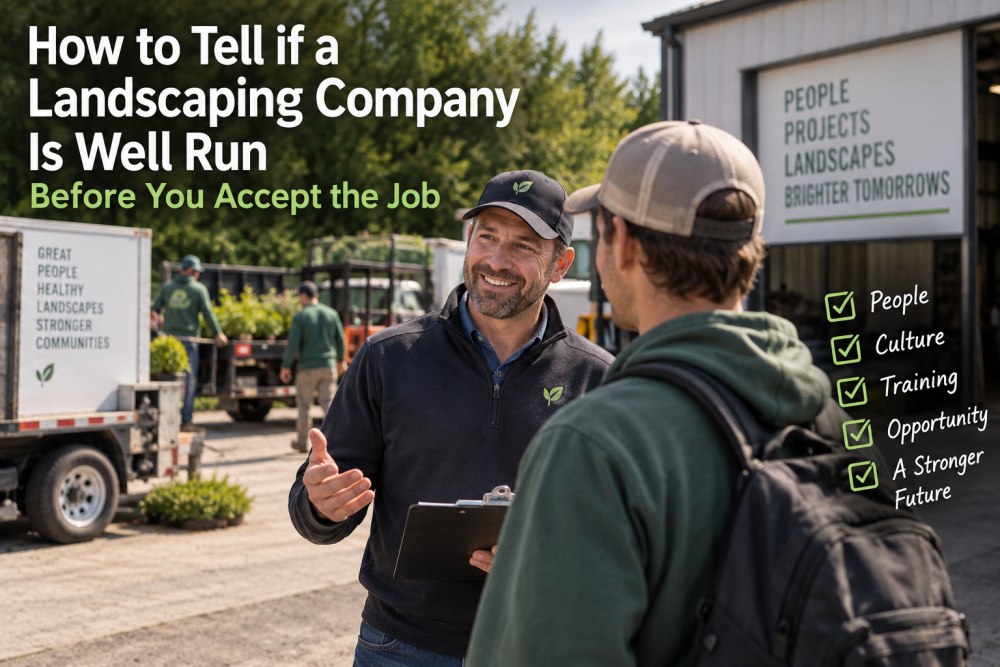
They spend hours preparing answers. They rehearse their strengths. They practice saying "I'm a people person" without flinching. And then they sit down across the table and spend the next 45 minutes trying to impress someone they know almost nothing about.
Here's the thing nobody tells you. The interview is an evaluation that runs both directions. The employer is sizing you up — but you should be sizing them up too. And most candidates never do.
That's a problem. Because accepting the wrong job costs you just as much as getting passed over for the right one. Lost time, lost momentum, and the slow grind of showing up somewhere that was never a real fit.
Here are eight things you should actually be trying to learn the next time you're sitting across that table.
1. Does this company actually have its act together?
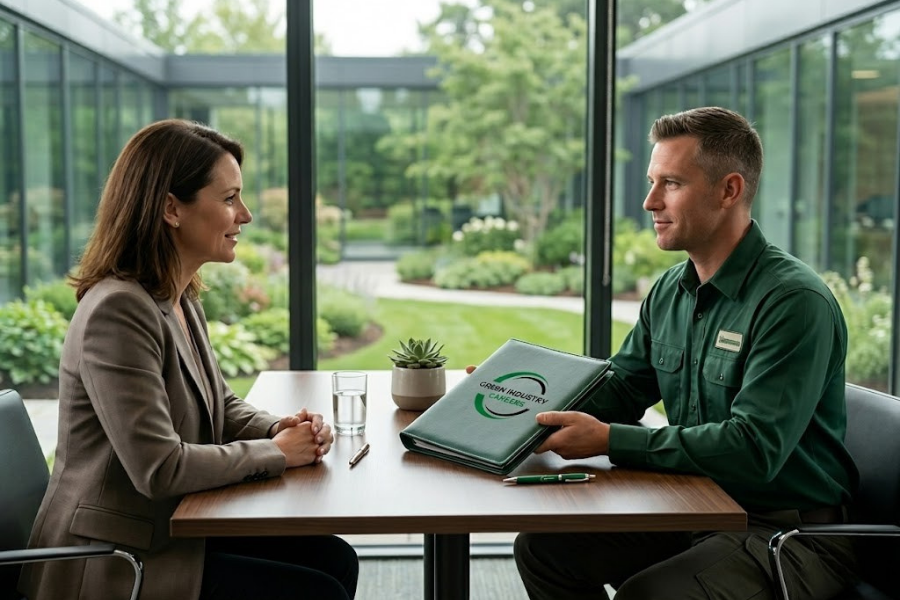
You can learn a lot about a company before you ever start working there — just by paying attention to how they run the interview. Did they show up prepared? Did they know what the job actually is? Could they tell you clearly what success looks like in the first six months?
Disorganized interviews predict disorganized workplaces. If the person interviewing you can't articulate what the role requires or what the team looks like, that's not nerves — that's a preview.
2. Why is this position open?
This is one of the most important questions you can ask and most candidates never do.
Is it a growth hire — a new position created because the company is expanding? Or is it a replacement? If it's a replacement, ask why the last person left. You don't need to be aggressive about it. Just ask.
The answer — and how comfortable they are giving it — tells you whether this is a role with a real future or one that's been a revolving door. A company that's had three people in the same seat in two years is telling you something. Make sure you hear it.
3. Who will you actually be working for?
Not the company. The direct supervisor.
Research is clear on this — people don't leave companies, they leave managers. Management quality is the number one driver of job satisfaction and the number one reason people quit. So before you accept an offer, you need a real read on the person you'll be reporting to every day.
Ask them how they like to give feedback. Ask how they handle it when someone on the team makes a mistake. Ask what their best employees would say about working for them. You're not interrogating them — you're doing your homework. A good manager will respect it.
4. What does the first 90 days actually look like?
Companies that invest in their people know exactly how they onboard them. They can tell you what training looks like, who you'll be working alongside, what you'll be expected to know by the end of month one, and how they'll support you getting there.
Companies that churn through people wing it. They'll tell you "you'll figure it out as you go" or give you a vague answer about jumping in and learning on the job. That's not an onboarding philosophy — that's a warning.
5. What happened to the people who held this role before?
This one takes a little confidence to ask but it's worth it. Were they promoted? Did they move on voluntarily to something better? Or were they gone in six months with no clear explanation?
The pattern matters more than any single answer. Roles where people grow and advance look different from roles where people escape. Ask which one this is.
6. Is the compensation actually what it sounds like?
This is especially important in the green industry where pay structures can include base wages, production bonuses, overtime, vehicle allowances, and seasonal adjustments that aren't always spelled out clearly upfront.
Don't leave the interview with a number in your head that turns out to mean something different on your first paycheck. Ask how compensation is structured, when and how bonuses are calculated, and whether the number they quoted is guaranteed or variable. Get clarity before you get a surprise.
7. What's the culture like when things go wrong?
Every company says they have a great culture. That's table stakes — no one's going to tell you the culture is toxic in an interview. So don't ask if the culture is good. Ask what happens when things go sideways.
How did they handle the last time a big project ran over? What happens when someone on the crew makes a costly mistake? Does accountability flow in both directions or just downward?
The way they answer that question — and whether they can answer it at all — tells you more about the culture than any company values statement ever will.
8. Do you actually want this job — or just an offer?
This one's internal. No one at the table can answer it for you.
But it belongs on this list because a lot of people talk themselves into jobs because the offer felt good in the moment. The salary was right, the commute was manageable, and after a long job search anything starts to look appealing.
The interview is the best time to be honest with yourself about fit — before you've committed, before you've given notice somewhere, and before the cost of being wrong gets a lot higher. Ask yourself whether you're genuinely excited about this specific role at this specific company, or whether you're just relieved that someone wants to hire you.
There's a difference. And you'll feel it about three weeks in if you got it wrong.
The bottom line
The best career moves aren't just about getting hired. They're about getting hired somewhere that's actually right for you. That means treating the interview as a two-way conversation — not an audition.
Ask the hard questions. Pay attention to how they answer. And trust what you learn.
If you're looking for your next opportunity in the green industry, GreenIndustryCareers.com is built specifically for you. Browse open positions, connect with employers who are actively hiring, and find a role that's worth showing up for.
🌱 Don't see the right opportunity on the board yet? That doesn't mean it isn't out there. BR1's recruiters work exclusively in the green industry and often know about positions before they're ever posted publicly. Reach out here and let's find something worth showing up for.
Here are 10 more questions Green Industry candidates should ask during their interview.