I once worked for a company where I swear the owner put more value on how many hours you worked than on what you actually accomplished. People would put in 50, 60, or more hours a week because that was what the place valued. I like hard work. I've done plenty of it. But I've never thought the number of hours somebody can stay at work tells you everything you need to know about how good they are at their job.
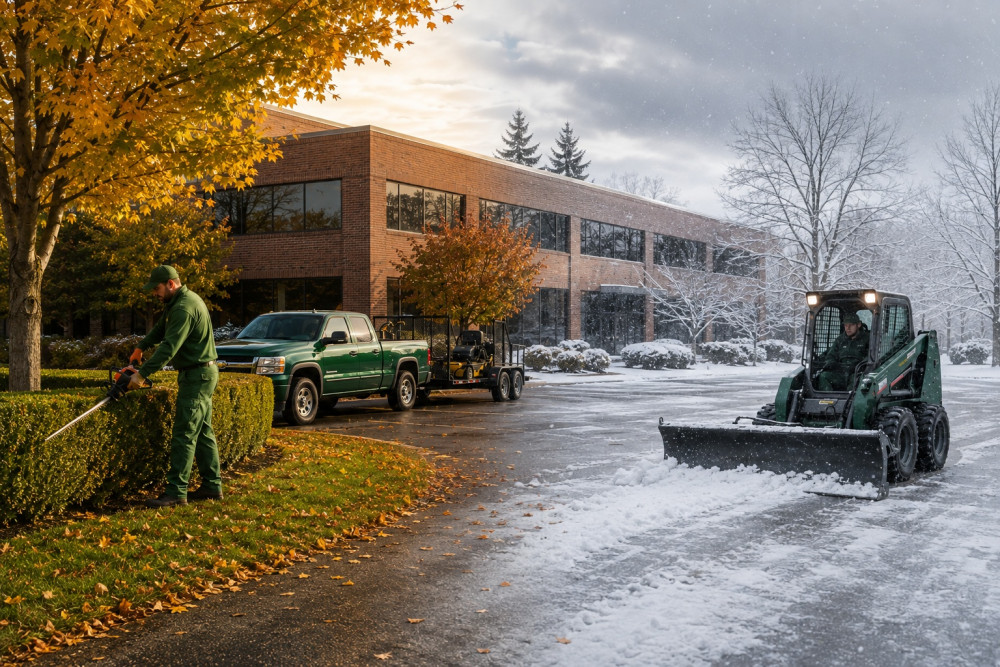
I've also worked countless snow shifts that went more than 24 hours without a break. I don't recommend it. Some companies treat that kind of thing like it's simply what you signed up for when you got into the business. Others put a lot more thought into staffing, relief, and how to get the work done without running everybody into the ground. Both are in the snow business. Working for them can be two very different experiences.
That's something I want people in this industry to understand. There is a tremendous amount of opportunity here, but the company you work for has a lot to do with how much of it you get to see. If your experience has been long hours, worn-out equipment, thin staffing, and very little help developing your skills, I understand why you might be frustrated. You may also be getting a pretty limited view of what a career in the green industry can look like.
There’s More Than One Way to Move Up
There are organizations where someone can start in the field and grow into management, sales, account management, safety, or a role focused on the fleet and equipment. You don't have to want to run a branch to have somewhere to go. Maybe you want to become a highly skilled irrigation technician. Maybe you enjoy working with customers more than supervising a crew. A growing company can create room for those different directions. The important question is whether it's actually helping its people move into them.
And the answer isn't as simple as finding the biggest company you can. We've got owner-operated businesses, small companies with serious growth plans, companies whose owners are perfectly happy staying small, and national organizations. There are even publicly traded companies like BrightView. A small company can be a terrific place to learn and build a career. A larger company can offer opportunities and resources a small one doesn't have. You can also have a lousy experience at either one. Size tells you something about the business. It leaves a lot unanswered about working there.
You’re the One Who Has to Work There
Look at training. Some employers make a real effort to teach people, help them earn certifications, and keep developing them as their responsibilities grow. Others show you around on your first day, point out where the tools are, and consider you trained. Then six months later they're frustrated that you haven't developed. Showing somebody around isn't much of a training program. If a company wants people to grow into bigger responsibilities, it needs to help them learn how to handle those responsibilities.
The same goes for staffing. When a company has high turnover, struggles to keep people, and is always short-handed, somebody still has to get the work done. You know who that usually falls on? The people who stick around and show up. They cover the missing person, pick up another property, stay later, and get asked to do it again tomorrow. It sucks. Helping your team through a rough week is one thing. Having your job permanently expanded because the company can't keep a team together is a different deal. I'd want to know which one I was walking into.
I also wouldn't brush off how a company treats safety, equipment, or the quality of the work. You're the one who has to operate that truck or piece of equipment. You're the one doing the work when the schedule is behind. A safety policy means very little if everybody rolls their eyes when it's time to follow it. And working people until they're exhausted has consequences beyond being tired of the job. Fatigue can affect alertness and judgment and increase the risk of injury. I've spent enough time on those long snow shifts to take that seriously.
Of course, some businesses make a great first impression. Nice website, pretty trucks, active social media. Then you get inside and it's a shitshow of disorganization and bad culture. I like nice trucks as much as anybody, but I'd want to know what happens when the truck breaks, a customer is upset, or the day starts going sideways. That's when you find out how people are treated and whether somebody has put some thought into running the place.
Ownership is worth understanding too. I've seen consolidation in this industry that I never thought I'd see. A business joining a larger organization can gain resources, better systems, and new opportunities for its people. It can also mean major changes to how the company runs and what it feels like to work there. Some buyers preserve a lot of what made the business successful. Others make substantial changes. I wouldn't automatically assume an acquisition is good or bad. I'd want to understand what is changing for the people who work there, including me.
Find Out What You’re Getting Into
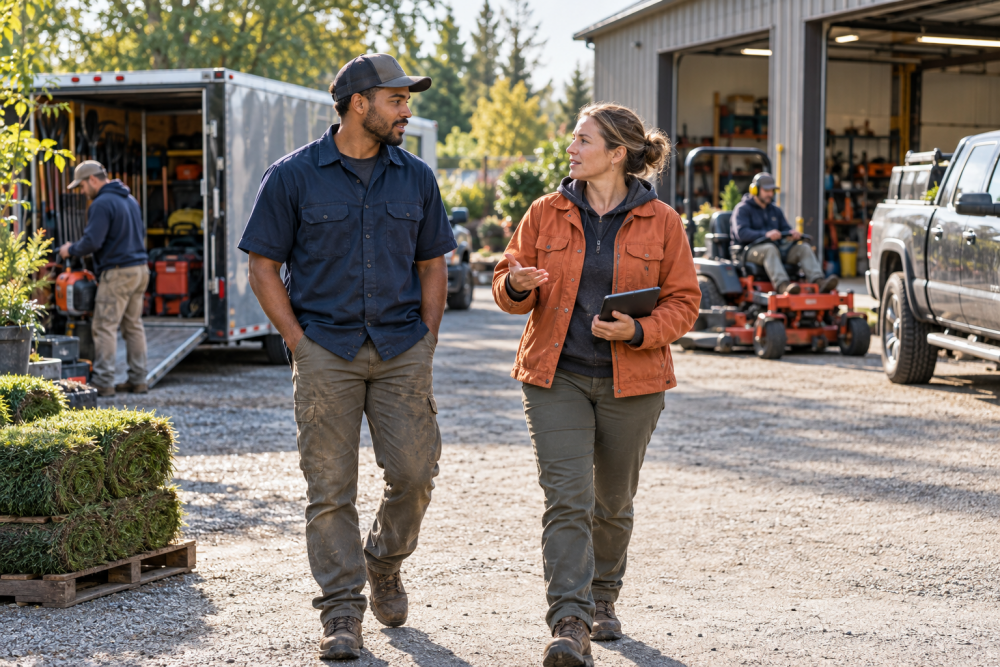
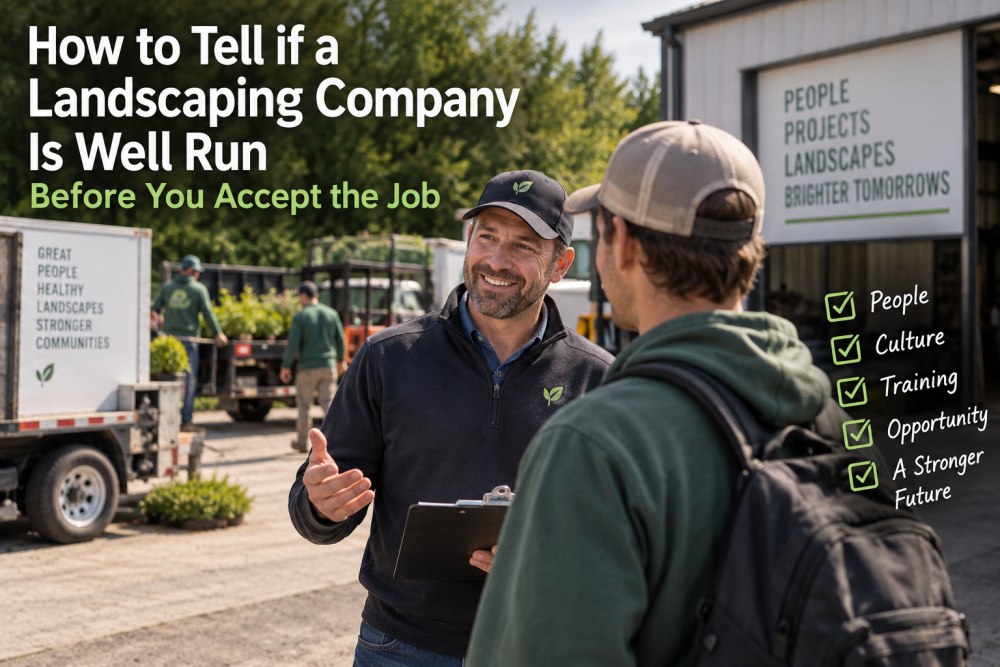
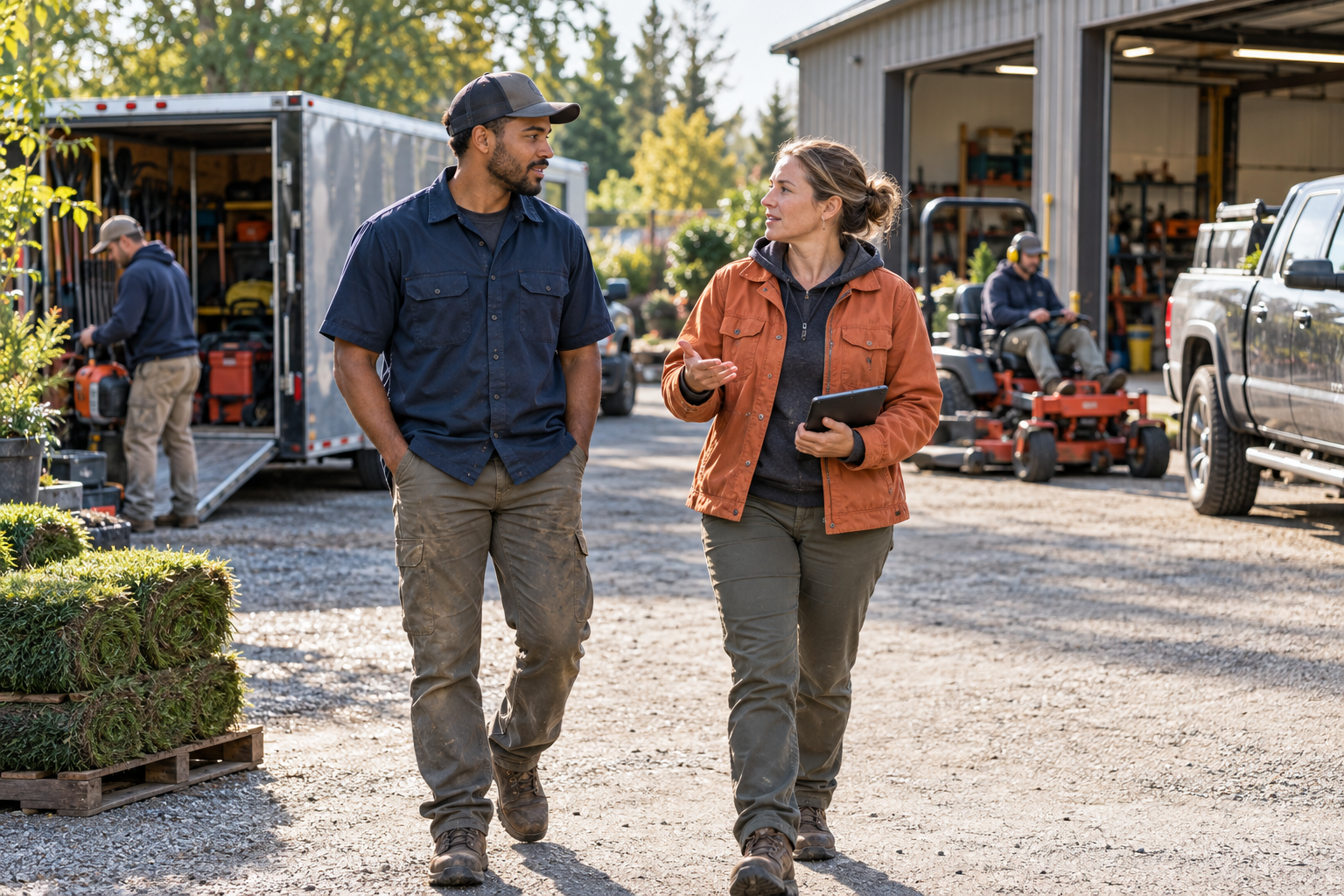
So when you're considering an opportunity, spend some time talking about how the place actually works. If advancement matters to you, ask who has moved into a bigger role and how they got there. If they tell you the company is growing, ask what that growth could mean for someone doing your job. Find out what a normal workweek looks like, how long people stay, and what support you'll have when things get difficult. Ask about the things you'll still care about after the excitement of a new offer wears off.
You can have those conversations where you already work, too. You might discover there's a direction available that nobody has discussed with you. Or you might get a clearer picture of the limits of that company and decide what you want to do with that information. If a small business plans to stay small, that's fine. You just need to understand whether the future it can offer fits the future you want.
I spent more than 25 years in the green industry before starting BR1, and I still think there's a lot to be excited about here. There is room to become very good at a trade, lead people, work with customers, or help build a growing business. Finding a company that takes its people seriously can make a huge difference in which of those possibilities becomes real for you. If you like the work but don't like what your working life has become, take a look beyond the company you know. There may be a lot more here for you than you've had a chance to see.
If you’re curious about other companies or career paths, take a look at Green Industry opportunities on GIC.